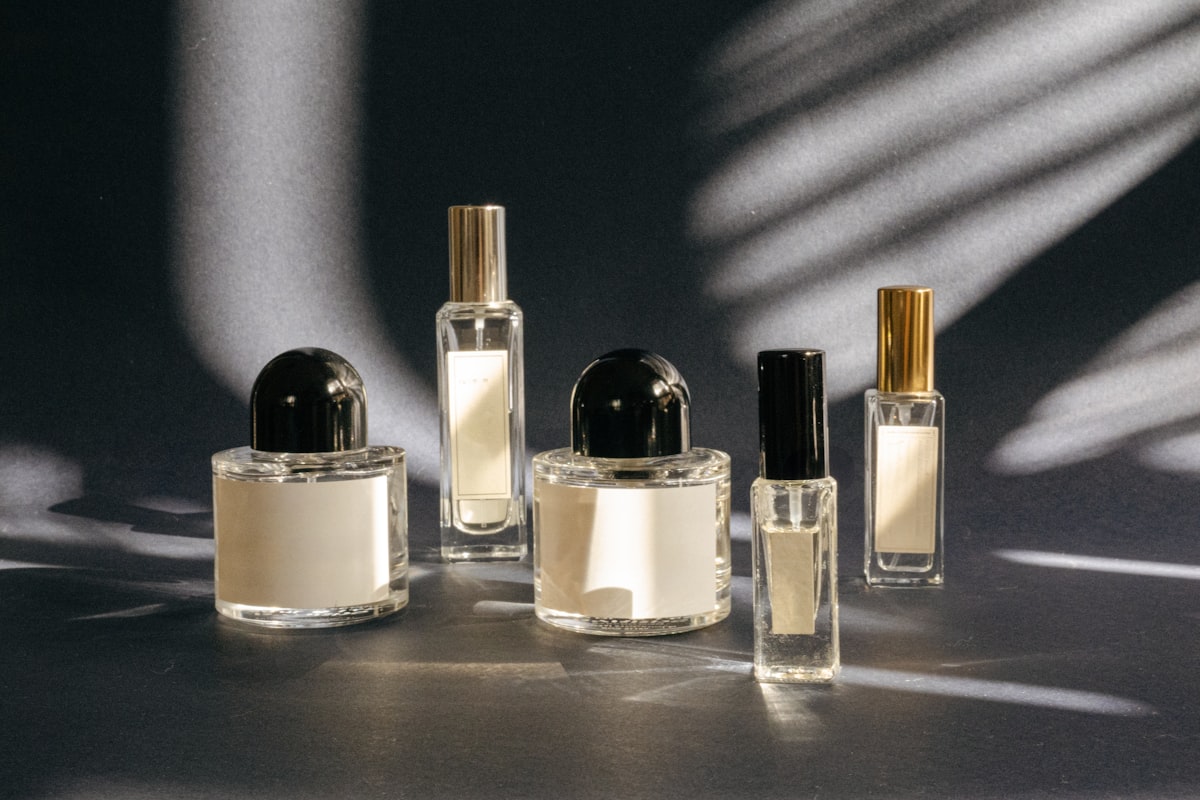
Perfume looks like a dream dropshipping niche — high perceived value, strong gift and impulse demand, small package — and then reality arrives in the form of a hazmat label. Most fragrance is alcohol-based, which makes it a hazardous material for shipping: air-freight restrictions, higher costs, carrier limits, and breakage returns. Add the long transit times typical of dropshipping and the counterfeit trap around designer scents, and perfume becomes one of the harder categories to run, not one of the easiest.
That doesn't make it impossible — it makes it a niche for someone who respects the constraints. The operators who make fragrance work do three things differently: they avoid branded and "designer-inspired" perfumes entirely (counterfeits, and the book's refusal list explains why), they solve the shipping problem with domestic stock or alcohol-free formats, and they build a real brand or niche angle instead of competing on price against imitations. This guide is those constraints and the workable path through them.
- Shipping: alcohol-based perfume is hazmat — air-freight limits, higher cost, breakage risk
- Counterfeits: cheap "designer" scents are usually fakes — illegal, processor-freezing
- Competition: intense, and price-driven at the low end
- The workable angle: unbranded/niche fragrances, perfume oils, solid perfumes
- The fix for shipping: domestic fragrance fulfillment or alcohol-free formats
The shipping problem nobody mentions
Alcohol-based perfume is classified as a hazardous material, which is the single biggest practical obstacle. It generally can't move by standard air mail, needs ground or compliant hazmat shipping, and carries breakage and leakage risk in transit — each a return and a refund. For a model built on cheap international parcels, that's a serious margin and reliability hit. The two real workarounds: source from a supplier with domestic (US/EU) fragrance fulfillment, or focus on alcohol-free formats — perfume oils and solid perfumes — that sidestep the hazmat classification entirely. Confirm a supplier can legally ship fragrance to your market before you list anything.
The counterfeit trap
Searches for "dropshipping designer perfume" lead straight to the most dangerous version of this niche. Genuine designer fragrances are distribution-controlled and essentially never available to a dropshipper at a margin — so the cheap "designer" perfumes overseas suppliers offer are counterfeits or unauthorized imitations. Selling them is trademark infringement: illegal, and a fast path to a frozen payment processor with funds held, plus liability. It's on the book's refusal list for exactly this reason. The expected value is negative even when the markup looks incredible. Build around legitimate unbranded or niche fragrances instead.
The angle that actually works
Fragrance can profit for the operator who treats it as a brand, not a flip:
- Unbranded or niche fragrances with a story — a scent profile, a mood, a community — escape both the counterfeit problem and the price war.
- Perfume oils and solid perfumes avoid the alcohol shipping rules and travel better, which fits the dropshipping model far more comfortably.
- A real brand — packaging, naming, positioning — supports price where a generic bottle can't, and fragrance buyers reward identity.
That's the same lesson as every niche in this book: demand isn't the problem, structure is — and the workable structure here avoids hazmat, avoids counterfeits, and sells meaning. (The framework is in best dropshipping niches.)
"Perfume's margins are a trap if you chase fake designer bottles, and a real business if you sell a legitimate scent with a story you can ship. The label decides which — literally."
If fragrance still appeals, do it the hard, legitimate way: score the niche with the niche scoring tool, vet a supplier who ships fragrance compliantly via the supplier checklist, and price in the real shipping and breakage cost. The niche fundamentals are in best dropshipping niches.