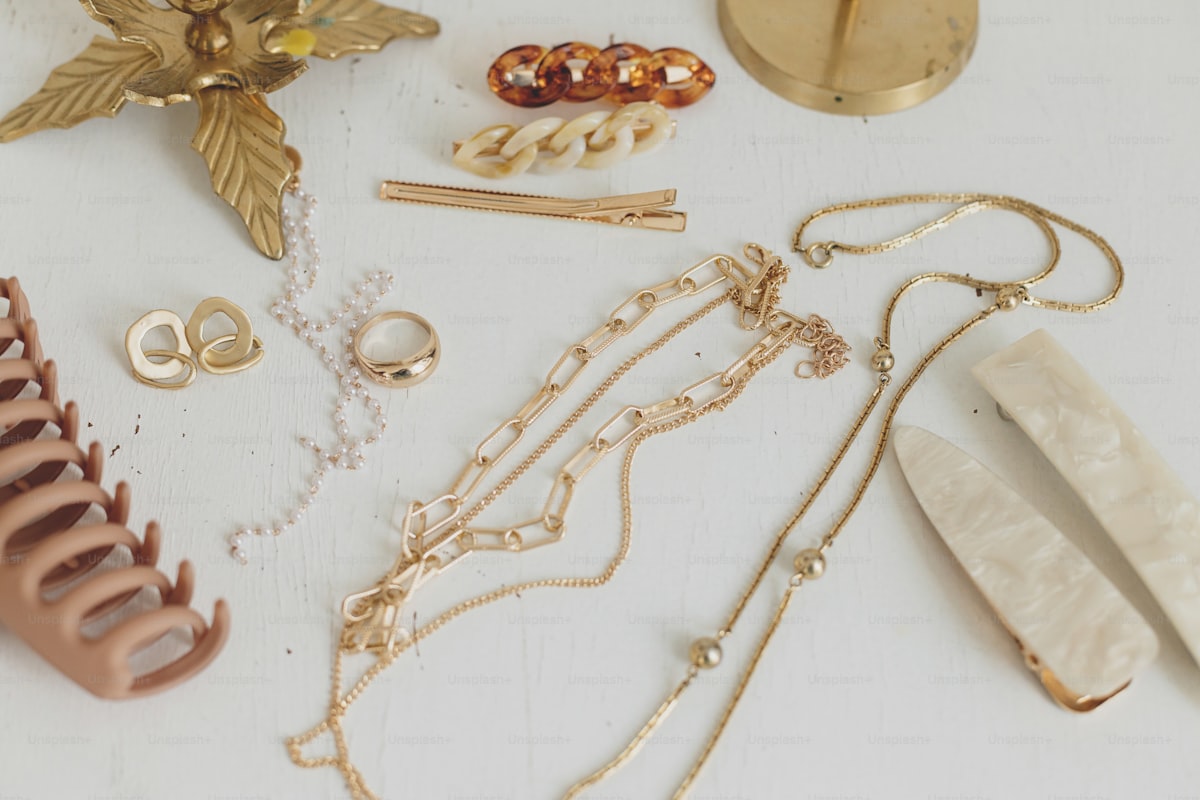
Jewelry is one of the few dropshipping niches with genuinely attractive structural margins: the perceived value is high relative to cost, the items are small and cheap to ship, and gift and impulse demand is strong. That's the good news, and it's real. The catch — the part the "high-margin jewelry niche" videos skip — is that those margins only survive if the quality holds. Tarnishing, skin reactions, and "it looks nothing like the photo" returns can erase the advantage faster than it built up.
So jewelry rewards the operator who treats quality and honesty as the strategy, not an afterthought. The margin headroom is your friend only if you don't hand it back in returns and chargebacks. This guide covers where jewelry's economics genuinely shine, the three traps that sink jewelry stores — quality, authenticity, and misrepresentation — and how to run the niche so the structural margin actually reaches your bank account.
- Why it's appealing: high perceived value, cheap shipping, strong gift/impulse demand
- Trap 1 — quality: tarnish, skin reactions, weak clasps drive returns
- Trap 2 — authenticity: branded/counterfeit pieces are an instant legal + processor risk
- Trap 3 — misrepresentation: factory photos vs. the real item is the #1 return cause
- The winning angle: meaning (personalized, occasion, identity) + materials you can stand behind
Why jewelry's margins are real
Jewelry sits in a rare sweet spot. A piece that costs a few dollars can carry a price several times higher because customers price it on appearance, occasion, and meaning rather than material cost. It's light and small, so shipping is cheap and fast relative to bulky niches. And it draws gift buying and impulse purchases, both of which tolerate a healthy markup. That's the structural advantage — and it's why jewelry survives 2026 acquisition costs better than commodity products do. (For the structure that makes any niche work, see best dropshipping niches.)
The three traps that sink jewelry stores
- Quality. Cheap base-metal pieces tarnish in weeks and cause skin reactions; clasps fail. Each is a return and an angry review. Favor named, durable materials — stainless steel, sterling silver, quality gold-plating — over vague "alloy."
- Authenticity. Branded or "designer-inspired" jewelry is counterfeit, and counterfeits are on the book's refusal list for a reason: a frozen payment processor with funds held, plus legal liability. The expected value is negative even when the margins look spectacular. Never touch it.
- Misrepresentation. Jewelry is bought on appearance, so the gap between a flattering factory photo and the actual piece is the number-one source of returns. Your own honest photos of the real item are non-negotiable — and they're also your best differentiation.
How to run jewelry the right way
- 01
Wear-test your samples
Don't just look at the sample — wear it for days. Check for tarnish, skin reaction, and clasp durability. Vet the supplier on consistency, not one lucky piece.
- 02
Describe materials honestly
Plated is not "solid gold"; "hypoallergenic" needs to be true. Accurate material claims keep you legal and cut the returns that misdescription causes.
- 03
Sell meaning, not just metal
The strongest jewelry angles are personalized, occasion, and identity pieces. Meaning supports price and lowers comparison-shopping.
- 04
Photograph the real item
Your own photos of the actual piece both differentiate you and close the photo-vs-reality gap that drives most jewelry returns.
"Jewelry hands you the margin up front and takes it back in returns if you let it. The whole game is keeping the piece as good as the photo — and the photo honest."
Jewelry is a strong niche for the disciplined. Vet suppliers hard with the supplier vetting scorecard — material consistency especially — score the niche in the niche framework, and price in a real return reserve before you launch. The product-research method that finds a differentiated piece is in how to find products that sell.