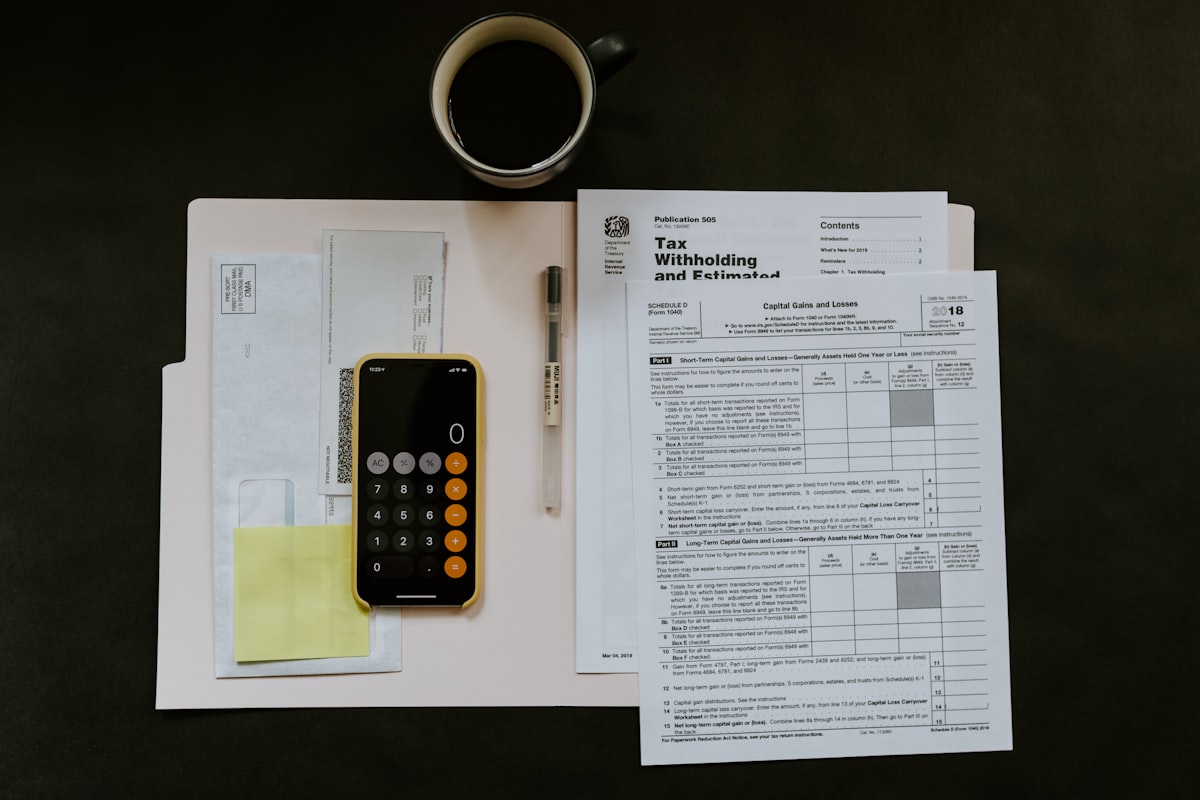
Dropshipping in the USA is fully legal, but it comes with four obligations most "start today" guides skip: forming a business at the right time, collecting sales tax where you have nexus, handling import duties now that the de-minimis exemption is gone, and following the FTC rules on shipping times and reviews. None of it is hard once you see it laid out — and most of it costs minutes, not money. The expensive version is the one you discover years later.
The encouraging part: the US is the home market this book is written for, and the compliance posture turns out to be the same honesty that wins customers. The honest shipping window that prevents disputes is also the legal one. The real reviews that convert are also the compliant ones. You're not bolting on bureaucracy — you're writing down the obligations behind the way an honest store already operates. Here's the whole picture for a US-based seller.
- Entity: test as a sole proprietor; form an LLC the week you decide to scale
- Sales tax: collect in your home state now; monitor economic nexus (~$100k or 200 transactions) elsewhere
- Imports: de-minimis is gone — duties/fees now apply to China-direct parcels
- FTC: your stated delivery time is a legal clock; fake reviews carry per-violation penalties
- The pattern: the honest store is the compliant store
The LLC, demystified
What an LLC actually buys is separation: business liabilities — a product claim, a dispute, chargeback fallout — stop at the company's assets instead of reaching your savings, provided you keep the separation real with a business bank account and no commingled spending. What it doesn't buy at this scale is tax savings (a single-member LLC is tax-transparent) or customer credibility (they never see it). The honest sequencing: testing with a few hundred dollars as a sole proprietor is defensible; operating a working store as one isn't. The trigger is validation — the week a product passes its test is the week the entity, EIN, and bank account get set up. Form where you live and operate; skip the Delaware/Wyoming and "anonymous LLC" folklore. (More on the business itself: is dropshipping a real business?)
US sales tax after Wayfair
Since South Dakota v. Wayfair (2018), physical presence isn't required — states tax remote sellers who cross an economic nexus threshold, commonly $100,000 in sales or 200 transactions into that state per year (thresholds vary; several states dropped the transaction count). Your obligations arrive in order:
- Home state — immediate. You have physical presence where you sit. Register, collect, and file there from the start.
- Other states — threshold-triggered. A new store is nowhere near $100k into a single state. The job is monitoring, not panic: review your platform's nexus report (Shopify and tax apps track it) quarterly and register as a state approaches.
- The dropshipper's catch: marketplace-facilitator laws make Amazon and Etsy collect for sales on their platforms — but your own Shopify store isn't a marketplace, so nobody collects for you there. "Platforms handle sales tax now" is true only of the channel this book isn't about.
Uncollected tax doesn't vanish — it accrues as your debt, plus penalties, often discovered years later when you try to sell the business. Quarterly monitoring costs minutes; the alternative costs the exit.
Imports: the post-de-minimis math
For years the US de-minimis rule (duty-free entry under $800) was dropshipping's invisible subsidy. With that treatment eliminated for commercial shipments in 2025:
- Duties and fees now apply to China-direct parcels, collected through the carrier/line — which raised budget-line landed costs and improved the case for US-warehouse fulfillment, where bulk import pays duty once at wholesale value instead of per parcel.
- Know your importer of record. For supplier-shipped parcels, get one written confirmation from your supplier or line. For warehouse stock you import, it's you — and HTS classification and duty rates become real vocabulary (a customs broker's hour is the cheap way to learn them).
- Never undervalue customs declarations. The "declare it as a $4 gift" offer is your fraud as importer-beneficiary, not the supplier's. Decline in writing.
Landed cost now means landed — product, freight, duties, fees. A P&L that ignores the last two is lying by a few points of margin; put the real number in the order P&L calculator.
The FTC rules with your habits' names on them
Two US consumer-protection rules read as if drafted while watching a dropshipping store operate:
- The Mail Order Rule (the "30-day rule"). Ship within the time you stated — or, if you stated nothing, within 30 days — or get the customer's consent to the delay and offer a prompt refund. Your product page's delivery promise is the legal clock. The honest shipping window isn't just conversion hygiene; it's literal compliance. A store hiding its 18-day reality collects violations at the rate of its order count.
- The fake-review ban (in force since late 2024): buying, fabricating, or materially misrepresenting reviews carries penalties per violation. The adjacent endorsement rules reach your creators too — "#ad" where it belongs, and claims you can substantiate ("my back pain is gone" in a paid ad is a health claim you now own).
Shipping reality for US sellers
US buyers expect fast, tracked delivery, and after the de-minimis change the cheap China-direct lines got both slower-in-perception and costlier. The practical answer for a proven product is increasingly domestic stock or US-warehouse fulfillment (2–5 day delivery), which lifts conversion on traffic you've already paid for. Validate on a mid shipping line, then move the winner to US stock — the supplier guide covers the margin math.
"In the US, the compliance you were dreading is mostly the honesty you needed anyway. The dishonest store isn't just riskier — it's the one accumulating violations one order at a time."
That's the home-market picture. Get the trust-and-compliance basics verified with the pre-launch audit, understand the business you're actually running in is dropshipping a real business?, and if you sell via marketplaces too, note the different rules in dropshipping on Amazon.