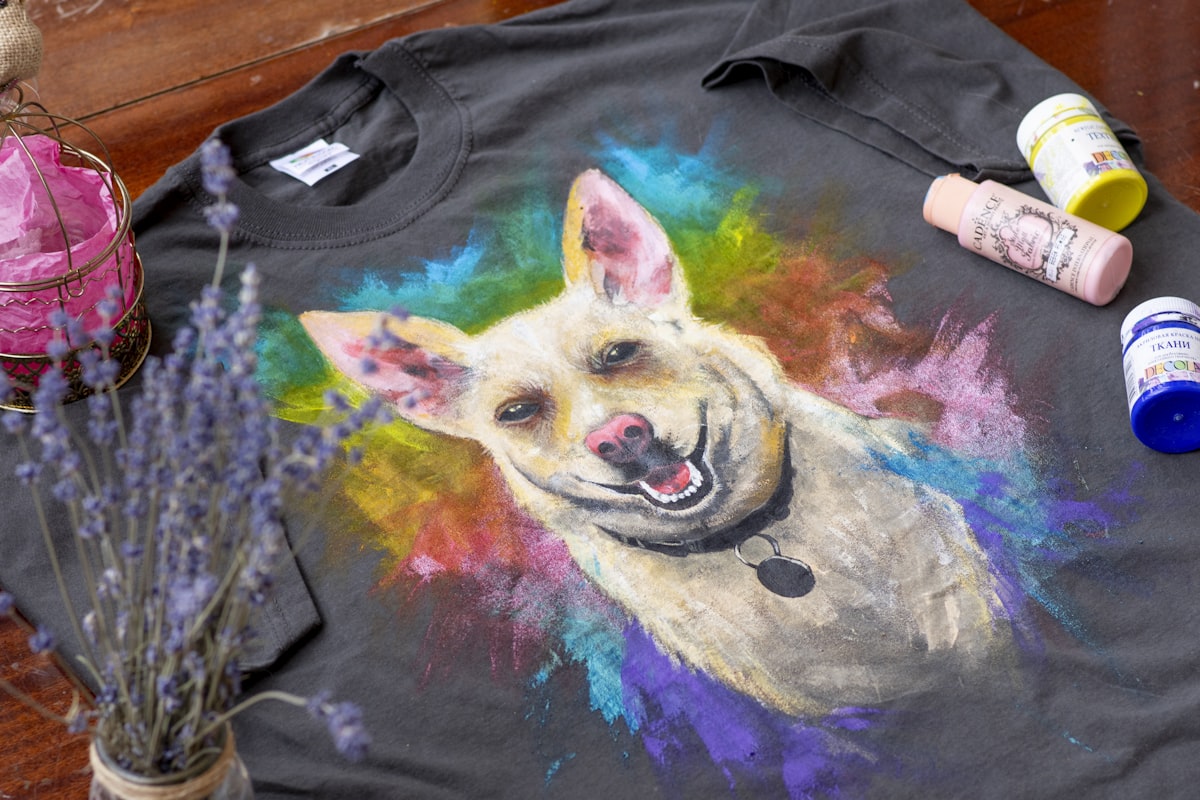
Dropshipping and print on demand aren't really rivals — print on demand (POD) is a type of dropshipping. Both mean you hold no inventory and a third party fulfills each order. The difference is what gets shipped: POD prints your original design onto a product (a T-shirt, mug, poster) only after someone buys, while general dropshipping ships an existing catalog product a supplier already stocks. So the real question isn't "which model," it's "is your edge a design or a product?"
That reframing matters because the two reward completely different skills. POD is a creative business: your artwork is the product, you compete on originality and a clear niche, and you face less direct price competition because no one else has your exact design. General dropshipping is a research business: you compete on finding and differentiating products that already exist. Same fulfillment mechanics, same no-inventory advantage — different game entirely. This guide is how to tell which one fits you.
- POD is a subset of dropshipping — no inventory, third-party fulfillment, but made-to-order with your design
- You compete on: POD → design & niche · dropshipping → product research & offer
- Margins: POD often higher print cost but premium for originality; dropshipping more price-driven
- Marketplaces: POD of your own designs is Etsy-compatible; generic dropshipping isn't
- Same fundamentals: real audience, honest fulfillment, margin that beats acquisition cost
How they actually differ
Strip it down and there's one real distinction: POD products are created on demand with your artwork; dropshipping products already exist. Everything else follows from that. POD adds a creative step and removes the "find a winning product" race — but adds a "make a design people want" challenge. It also tends to carry a higher per-unit print cost, which compresses margin unless your design earns a premium. General dropshipping skips the design work but drops you into a more crowded, price-competitive market where differentiation has to come from the offer and the listing. (The fulfillment model both share is in what is dropshipping.)
Margins and competition
POD's per-item economics look tighter on paper — print costs are real — but an original design competes against nobody selling the identical thing, which supports price and lowers comparison-shopping. General dropshipping can reach higher margins on the right product, but everyone can source that product too, so the floor is lower. Neither is structurally more profitable; they distribute the difficulty differently. POD puts the hard part in creating demand for a design; dropshipping puts it in finding a product and building an offer that stands out.
Which should you choose?
- Choose POD if you can design (or want to), have a creative niche, or want to sell on Etsy — where your own designs are allowed but generic dropshipping isn't.
- Choose general dropshipping if you'd rather solve problems with existing products than create artwork, and your edge is research and merchandising.
- You can run both: a niche store can carry sourced products and your own POD designs side by side, as long as each clears its own margin.
"Print on demand isn't the opposite of dropshipping — it's dropshipping where your imagination is the inventory. The question was never which model. It's whether you'd rather design or research."
Either way, the business underneath is the same. Decide where your edge is, then build on the fundamentals: get the mechanics in what is dropshipping, the market choice in best dropshipping niches, and run any product — printed or sourced — through the order P&L calculator first.