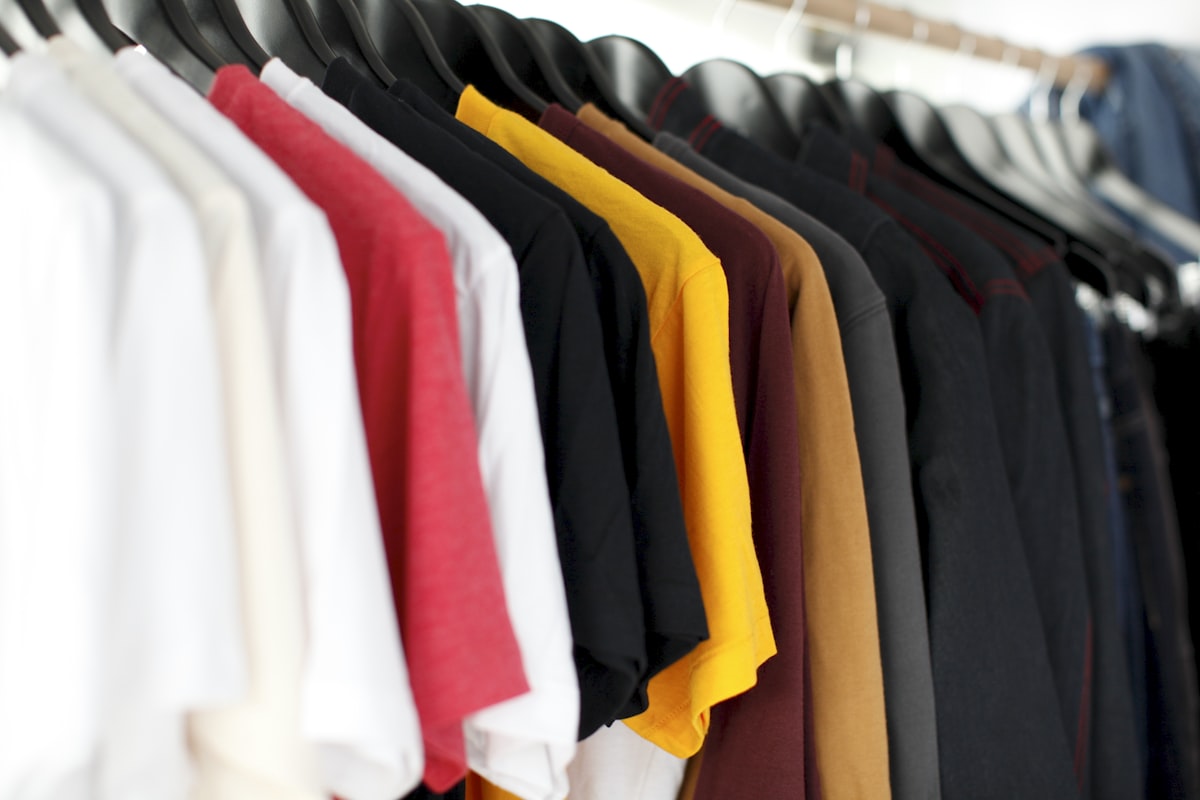
Clothing is the most-searched dropshipping niche and one of the hardest to profit from — for a single reason most "best apparel niches" lists skip: returns. Apparel has the highest return rate in retail, commonly 20–30% online, and almost all of it is sizing and fit. When you don't control the inventory or the sizing, every fit-driven return is shipping cost plus a refund plus a unit you may not be able to resell. Clothing can work, but only if you design around that return line instead of pretending it isn't there.
That's the honest frame. The appeal of clothing is obvious — huge demand, endless products, strong identity and impulse buying. The trap is equally real: high returns, variant complexity that multiplies stockouts, and fit expectations you can't meet with a supplier's generic size chart and a 12-day shipping window. This guide is how to tell whether an apparel idea is one of the workable ones, and how to run it if it is.
- Return rate: ~20–30% online, mostly sizing and fit — the defining problem
- Variant complexity: sizes × colors multiply SKUs, stockouts, and mismatches
- Best items: fit-forgiving — accessories, one-size, relaxed fits, identity gear
- Worst items: fitted apparel where a half-size off means a return
- Non-negotiable: sample in multiple sizes + a real measurements chart
Why clothing is the hardest easy niche
Demand isn't the problem — it never is in apparel. Structure is. Three forces work against a clothing dropshipper at once:
- Returns. Fit is subjective and you don't control sizing. A supplier whose "Large" runs small turns into your return shipping and refund, on a unit already shipped from China that you can't restock.
- Variant complexity. Five sizes times four colors is twenty SKUs to keep in stock, photograph, and fulfill. Each combination is another chance for a stockout or a wrong-item error.
- Time and trend risk. Fashion moves fast; a 1–2 week shipping window means the trend can cool before the order even lands, and the customer's enthusiasm with it.
None of this disqualifies clothing — it disqualifies naive clothing. The workable version engineers the fit problem down.
What actually sells: design out the fit problem
The single best move in apparel dropshipping is to reduce how much the purchase depends on precise fit:
- Accessories — bags, hats, scarves, jewelry-adjacent items — have demand without sizing returns.
- One-size and relaxed fits — oversized tees, hoodies, loungewear — tolerate a wider range of bodies.
- Identity and hobby gear — apparel tied to a community or interest, where the buyer is motivated and forgiving, and where you can build a real niche store instead of a generic boutique.
Fitted, tailored, precise-sizing apparel is where the returns live. If an item only works at exactly the right size, it's working against you.
How to run clothing the right way
- 01
Sample in multiple sizes
Order S, M, and L from the exact supplier. Measure them. A supplier whose real measurements you can document beats a cheaper one whose sizing you're guessing at.
- 02
Publish a real measurements chart
Not generic S/M/L — actual garment measurements in inches/cm. The single biggest lever against fit returns is letting the customer self-select correctly.
- 03
Favor fit-forgiving products
Accessories and relaxed fits first. Keep the return-driving variable — precise fit — out of as many products as you can.
- 04
Price in the returns
Build the return reserve into your price from day one. The margin has to survive the niche's real return rate, not a hoped-for one.
"In apparel, demand was never the question. The question is whether your margin survives the return rate — and the answer is decided before the first sale, by what you chose to sell."
Clothing is a niche like any other: score it honestly before you commit. Run it through the niche scoring tool, model the return rate in the order P&L calculator, and vet apparel suppliers — sizing and fabric especially — with the supplier checklist. The fundamentals of niche choice are in the best dropshipping niches guide.